

a mindbody approach to healing chronic pain
My work blends neuroscience, somatic practices, and ketamine integration into a cohesive, evidence-informed pathway to healing. Together, we’ll make changes at the level of your nervous system, where the mind and body meet.
Modern pain science and emerging research shows that up to 88% of chronic pain is learned by the brain. Pain that once served a protective purpose can be learned by the brain long after the tissue has healed or the emotional threat has passed. The good news is - if the brain can learn pain, it can unlearn pain.
This isn’t a quick fix. Steady, gentle change cultivates safety in the body, flexibility in the nervous system, and confidence in your capacity to heal. When the conditions are right, your body does what it’s designed to do: restore balance and thrive.

My Approach
Areas of Practice
Pain Reprocessing Therapy
Pain Reprocessing Therapy, or PRT, aims to rewire neural pathways in the brain in order to accurately assess body signals and deactivate pain. All pain is real (felt), but it’s often linked to the brain’s perception of physical and emotional safety (rather than just physical sensations). PRT is a powerful tool to help clients break the fear/pain cycle of chronic pain by reprogramming the brains response. This approach ultimately helps clients regain function and reduce discomfort by addressing the underlying neural pathways.
Nervous System Regulation
Nervous system regulation is the ability of the body to shift between different physiological states with flexibility and ease. Chronic symptoms are often linked to the nervous system becoming stuck in either a heightened state (such as anxiety or hypervigilance) or a shut-down state (such as depression or disconnection). These persistent states of dysregulation can contribute to or intensify chronic health issues. Supporting nervous system regulation helps restore flexibility, teaches the body how to return to safety and balance, and creates the conditions necessary for more effective healing.
Movement & Sensory Integration
Movement integration may include somatic movement as a tool for nervous system regulation and gentle movement to reduce fear of exercise. Movement is medicine, and my approach is to guide you to tapping into intuitive movement that feels safe and then support you in increasing your window of tolerance. I often use Graded Motor Imagery (GMI) and mirror therapy to help reduce pain by gently retraining the brain's response to movement and sensation. This approach can lower central sensitization and restore more normal patterns of brain activity involved in pain perception.
Ketamine Preparation & Integration
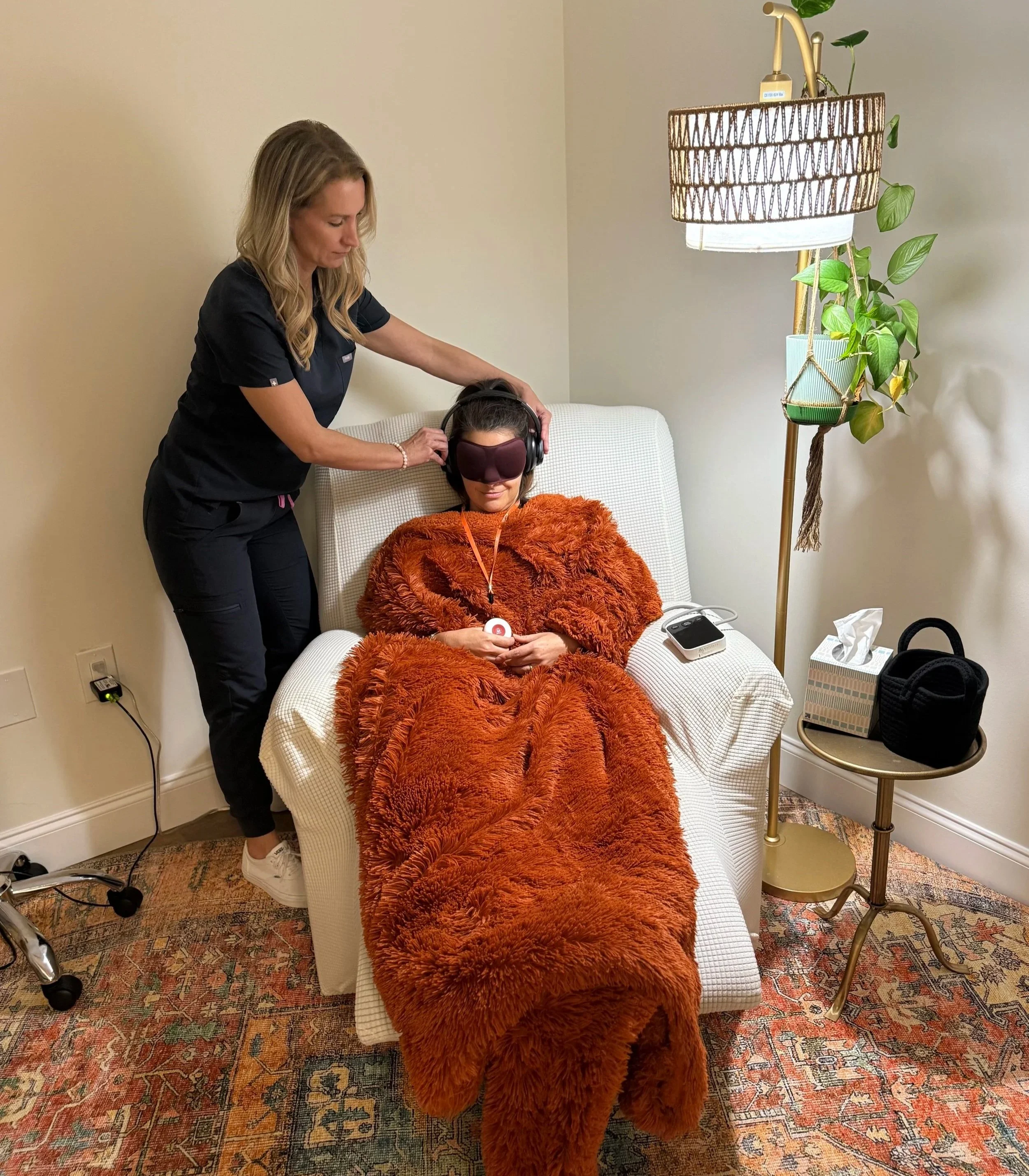
If a client chooses to do ketamine sessions in a supervised medical setting with a licensed physician, I offer preparation and integration sessions to maximize the therapeutic potential of the medicine. Preparation sessions are done in the days leading up to the client’s ketamine session with the licensed physician. These sessions help clients enter states of expanded consciousness with an intention and provide grounding tools they can use during their journey. Integration sessions take place within three days of ketamine treatment and include modalities like PRT when the brain is more neuroplastic (primed for learning and rewiring).
I earned my Doctor of Physical Therapy degree in 2013 and completed a neurorehabilitation residency in 2014. My early career in physical therapy was spent in inpatient rehabilitation and research settings providing interventions aimed at helping patients regain function after sustaining neurologic injuries. I briefly left the clinic for a corporate job, which ended with debilitating chronic neck pain. As I was recovering, I was introduced to...
About Jess
What Makes This Work Different
Chronic pain is so much more than a physical sensation — it’s an experience shaped by the nervous system, past stress, and patterns of safety or threat interpreted by the brain.
My approach goes beyond symptom management to address the root causes of that story.
I help patients re-train the brain and body with neuroscience-based tools, somatic awareness, and trauma-informed care.
For those pursuing psychedelic medicine from a licensed physician, I also guide preparation and integration so the insights create lasting change.
I focus on sustainable change — helping you build new neural pathways through consistent, supportive practices.
The result is not just less pain, but a deeper sense of connection, agency, and possibility in your daily life.
“Healing is not about fixing the past; it’s about creating new pathways in the present.”
– Dr. Joe Dispenza
FAQs
-
The mindbody approach recognizes that the mind and body are deeply interconnected — not just in theory, but in how we experience our internal and external worlds. When the mind and body are communicating well, we feel more balanced, present, and resilient. But when that communication breaks down — often due to chronic stress, trauma, or unprocessed emotion — the body can begin to express what the mind hasn’t been able to process. The body often does this through chronic symptoms, including pain. Mindbody work helps restore that connection, so that both mind and body are on the same path towards healing.
-
All pain is real — and all pain has a purpose. This work helps you understand what your pain is trying to communicate and teaches your body and brain to respond in new, more flexible ways. We retrain how your brain interprets pain signals, use somatic techniques to tune into and process physical sensations and emotions, and support nervous system regulation so your body doesn’t stay stuck in protective patterns. Together, we create the conditions for lasting relief by updating how your system receives and responds to sensations.
-
Anyone with chronic symptoms including chronic pain, especially if traditional treatments haven’t provided lasting relief. Take the Do I have Mindbody symptoms? quiz to find out if this work might help you.
-
Pain Reprocessing Therapy (PRT) is a structured, evidence-based treatment for chronic primary pain that was developed by Dr. Alan Gordon and colleagues in 2021. It combines principles of neuroscience, mindfulness, and exposure therapy to help patients retrain the brain to interpret pain as non-threatening. Clinical trials, including one published in JAMA Psychiatry in 2021, have demonstrated significant and lasting pain reduction with PRT. The approach is now practiced by trained therapists and health professionals as a non-pharmacological intervention for chronic pain.
-
I highly recommend clients read or listen to the book The Way Out by Alan Gordon. This book lays the foundation for everything we will do in PRT. While it isn’t required, clients who read this book start PRT with a baseline understanding of neuroplastic symptoms, allowing us to dive right into PRT with less time spent up front on education and getting clients to buy-in to this work.
-
CBT is led by a mental health therapist and teaches people how to cope with pain—challenging unhelpful thoughts and building skills to manage it. PRT, on the other hand, works to actually retrain the brain so it stops generating pain signals in the first place. In short, CBT helps in living with the pain more effectively, while PRT aims to teach the nervous system that the pain is safe and can be reduced or resolved.
-
Every person is different, but most notice changes within weeks. From my experience, clients who approach this work with and new practices with an open-mind and consistency meet their goals faster than those who are resistant and/or inconsistent.
-
No. Receiving ketamine treatment in a supervised medical setting from a licensed physician is optional. Many people see lasting results using PRT, nervous system regulation, and somatic practices alone.
-
Integration is the work you do after a ketamine session. Research tells us there is a 72-hour window following ketamine where the brain is more neuroplastic, or open to learning and re-wiring. It is ideal to do integration sessions during this period.
-
No, this is designed to complement your existing medical care. Always consult your doctor before making changes. I often work collaboratively with your licensed providers-physicians, physiotherapists and/or other members of your healthcare team - to align treatment goals and strategies, share clinically relevant updates, and ensure our work compliments your medical plan.
Ready to begin your healing journey?
Whether you’re seeking relief from chronic pain, exploring the mindbody connection, or curious about how psychedelic integration can support your healing, I’m here to help guide you every step of the way. Click below to schedule a consultation, and let’s create a personalized plan to help you feel safe, supported, and empowered in your body again.